How Cold Weather Affects Your Nissan’s Battery
Cold weather reduces a battery's ability to deliver the power your engine needs to start. Chemical reactions inside the battery slow down in low temperatures, which means it takes more effort to turn the engine over. At the same time, your engine requires more power to start in the cold because the oil thickens and creates more resistance.This combination is a common reason drivers experience a Nissan slow starting in winter months. Even a battery that still has some life left can fail when temperatures drop below freezing. Getting a Nissan battery test before winter sets in gives you a clear picture of your battery's health.
What a Nissan Battery Test Involves
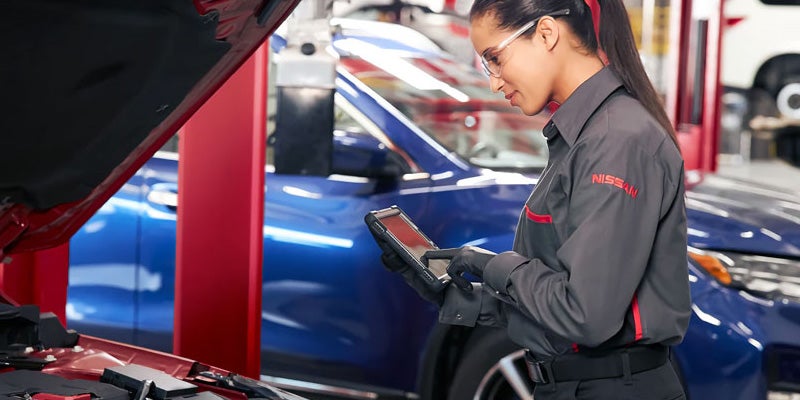
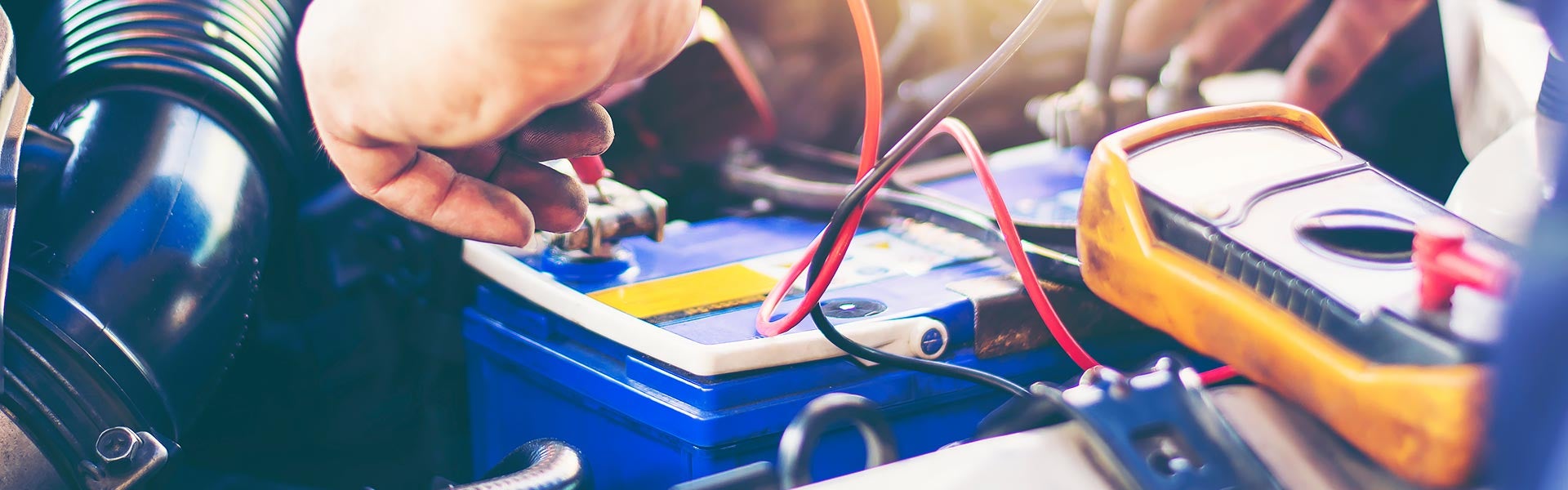
A professional battery test checks the battery's voltage and its ability to hold a charge under load. It also evaluates the charging system, including the alternator, to make sure everything is working together properly. A battery test simply takes out the guesswork—if it’s weak, you'll know before it fails completely at the most inconvenient, or even unsafe, time.The process is quick and can often be done while you wait. If your battery does need to be replaced, a trained technician can help you find the right fit for your specific Nissan model, whether you drive a Rogue, Frontier, Sentra, or Altima.
Signs Your Nissan Battery May Be Failing
Knowing what to watch for can help you catch a battery issue early. That slow-starting engine is one of the most common signs, but there are others worth paying attention to. If the interior lights seem dimmer, the engine cranks longer than usual before it fires, or you get a telltale clicking sound when you turn the key, your battery is crying out for help.If your battery is more than 3 years old, it absolutely should be tested regularly, especially going into colder months. Catching the problem early is far less stressful than dealing with a no-start situation.